What is an interactive or digital exhibit?
Briefly explained — and where trade show software comes in
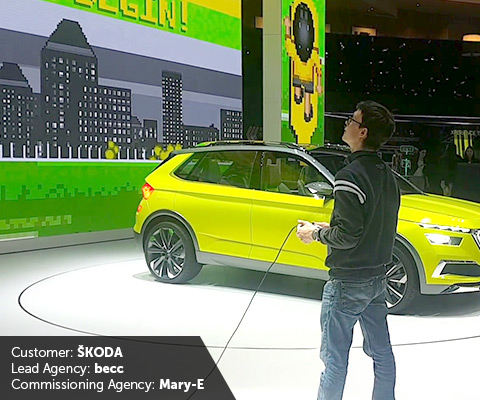
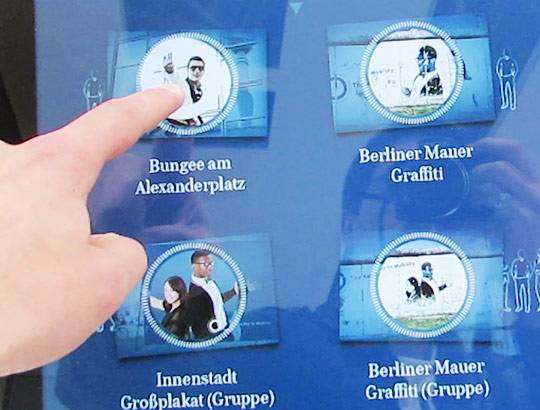
A digital exhibit is an exhibition piece whose content is generated by software: a touch terminal, a projection, a video wall or a product configurator. An interactive exhibit goes one step further — it responds to the visitor: to touch, gestures, movement, speech or their own smartphone. That response is exactly why people stop at a trade show booth, stay longer in a museum and queue up once more at a theme park.
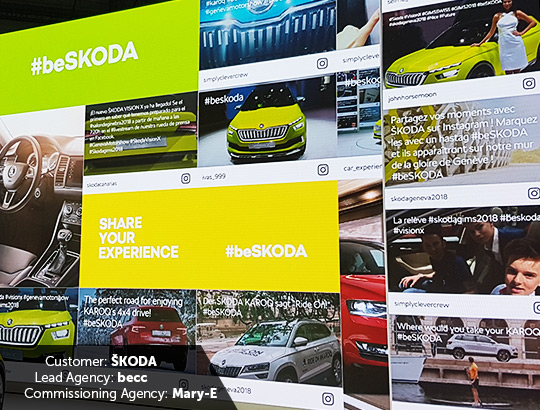
For us, trade show software does not mean organising a trade fair (exhibitor administration, ticketing), but the custom-developed software running on the booth: games, configurators, photo experiences, social walls, presentations driven by sensors. It has to run unattended, tolerate crashes and restart by itself after a power cut — which is why we have been building it specifically for continuous operation for over 20 years.
 Event
Event Trade Show
 Roadshow
 Convention
 Museum
 Facial Recognition
 Touchscreens
 Depth Cameras & Body Tracking
 Augmented & Virtual Reality
 Info Terminals
 Chroma Keying & Greenscreen
 Social Sharing
 Projections
 Object Detection
 Gesture Recognition
 Holographic Effects













































 Call us
 WhatsApp
 E-Mail

